Beauty
Water Intake Guide for Healthy Skin
How hydration actually affects skin, how much water you really need each day, signs of dehydration and easy ways to drink more.
By GlowHer Editorial Team · July 3, 2026 · 5 min read
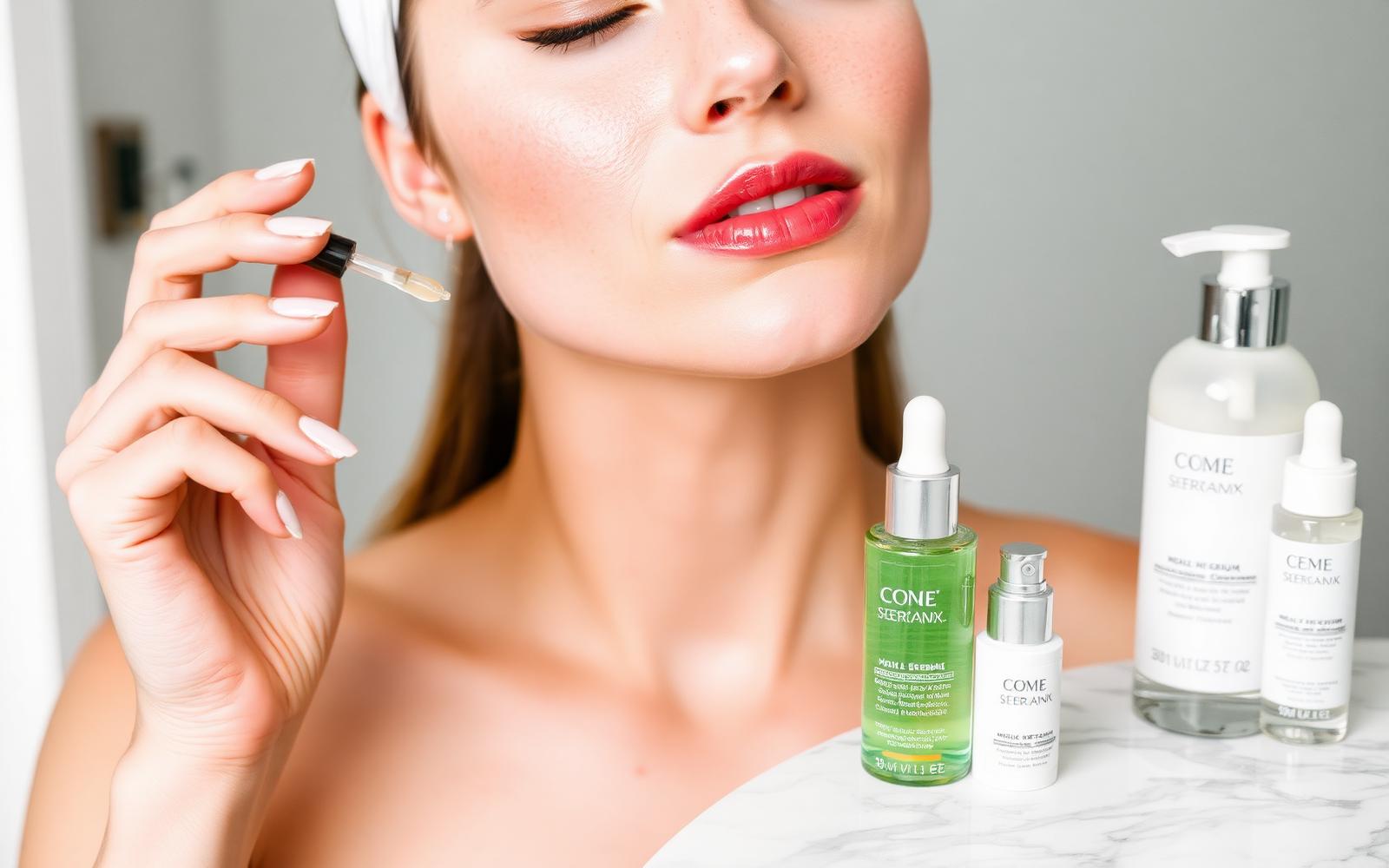
Water is the most repeated piece of skincare advice and the most misunderstood. Drinking litres of water will not erase wrinkles, but chronic mild dehydration genuinely does make skin look duller, feel tighter and heal more slowly.
This guide separates what hydration can and cannot do, and gives a realistic daily target you can actually hit.
What hydration really does for skin
Skin cells, like all cells, function best when well hydrated. Adequate fluid supports circulation, nutrient delivery and the removal of waste products. Well-hydrated skin also appears plumper because the tissue beneath it is full rather than depleted.
What water cannot do is repair a damaged skin barrier. If your skin loses moisture too quickly, the fix is a good moisturiser containing humectants and occlusives, not another glass of water.
How much water do you actually need?
Common guidance is around two to 2.7 litres of total fluid per day for women, but that includes water from food, tea, coffee, milk and soups. Requirements rise with heat, exercise, breastfeeding and altitude.
- Use urine colour as a practical check: pale straw is the target.
- Add roughly 500ml for every hour of moderate exercise.
- Tea and coffee count toward total intake despite their mild diuretic effect.
Signs you are under-hydrated
Dark urine, afternoon headaches, dry lips, low concentration and unexplained fatigue are the ordinary signals. On skin, dehydration typically shows as dullness, exaggerated fine lines and a tight feeling after washing.
Water-rich foods count too
Roughly a fifth of most people's fluid intake comes from food. Cucumber, watermelon, oranges, tomatoes, yoghurt, soups and dal all contribute meaningfully, and they bring electrolytes and vitamins along with the water.
Simple habits to drink more
Attach drinking to things you already do rather than relying on memory. A glass on waking, one with each meal, one when you sit at your desk and one in the evening reaches most of a daily target without any tracking.
- Keep a visible bottle within reach at work.
- Flavour water with lemon, mint or cucumber if plain water bores you.
- Drink most of your fluid before evening to avoid interrupted sleep.
Frequently asked questions
Will drinking more water clear my acne?
Not by itself. Hydration supports overall skin health, but acne is driven by oil production, bacteria, hormones and inflammation, which need targeted treatment.
Can you drink too much water?
Yes, though it is rare. Drinking extreme volumes quickly can dilute blood sodium dangerously. Spread intake through the day.
Is warm water better than cold?
Temperature makes no meaningful difference to hydration. Drink whichever you will actually drink more of.
Conclusion
Aim for pale straw urine, spread your intake across the day, eat water-rich foods, and pair hydration with a proper moisturiser. That combination does more for skin than any single habit alone.
This article is for general education only and is not medical advice. Speak with a qualified healthcare professional about your individual circumstances.
Related Articles
Daily Skincare Routine for Beginners
A dermatologist-informed beginner skincare routine: the only four steps you need, how to layer products, and the mistakes that irritate new skin.
5 min readJuly 17, 2026
Natural Beauty Tips at Home
Home beauty remedies that genuinely work, the popular ones dermatologists warn against, and simple DIY treatments for skin, hair and lips.
5 min readJune 30, 2026

10 Healthy Morning Habits Every Woman Should Follow
Ten realistic morning habits that steady your energy, mood and focus, plus a simple 20-minute routine you can start tomorrow.
5 min readJuly 20, 2026