Fitness
Easy Yoga Poses for Beginners
Eight beginner-friendly yoga poses with clear instructions, common mistakes to avoid and a fifteen-minute flow you can do at home.
By GlowHer Editorial Team · July 6, 2026 · 5 min read
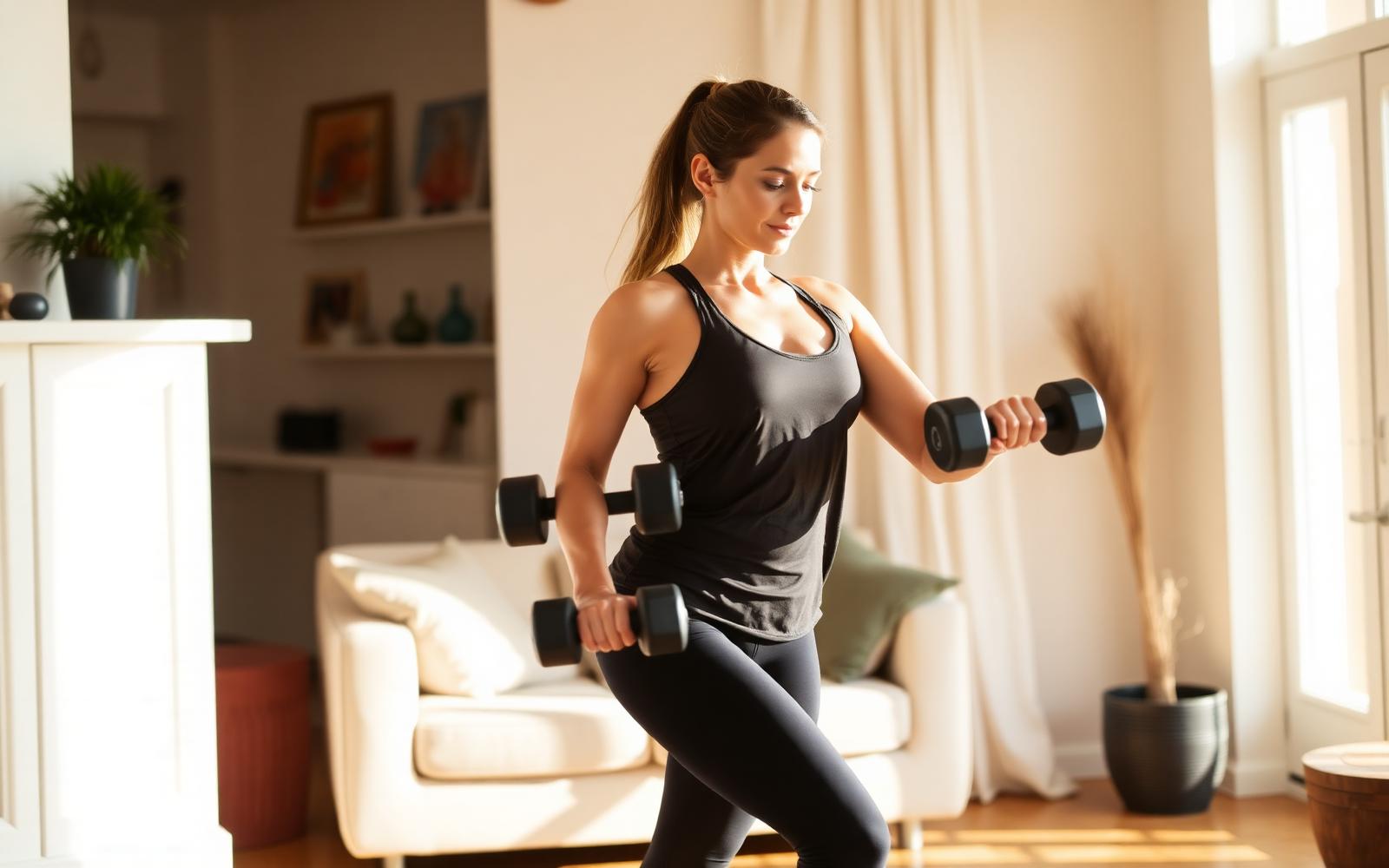
Yoga is one of the few practices that improves strength, flexibility, balance and stress levels at the same time, and it needs almost nothing: a mat, a small patch of floor and fifteen minutes.
Beginners often quit because they start with poses designed for experienced bodies. These eight poses are safe entry points, and together they form a complete short practice.
Before you start
Practise on an empty-ish stomach, wear clothing you can move in, and never push into sharp pain. Yoga should feel like effort and stretch, not pinching or burning. Breathe through the nose steadily; if your breath becomes ragged, ease off.
Eight beginner poses
Move slowly through each pose and hold for five slow breaths unless stated otherwise.
- Mountain pose: stand tall, feet hip width, shoulders relaxed. Sets your alignment.
- Cat-cow: on hands and knees, alternate arching and rounding the spine for eight rounds.
- Downward dog: hips high, knees softly bent, heels reaching toward the floor.
- Low lunge: one foot forward, back knee down, chest lifted, hips sinking gently.
- Child's pose: knees wide, hips back to heels, forehead resting down.
- Cobra: lying face down, press lightly through hands to lift the chest, elbows soft.
- Bridge: on your back, feet flat, lift hips and squeeze the glutes.
- Seated forward fold: legs long, hinge from the hips with a soft bend in the knees.
The 15-minute beginner flow
Begin with two minutes of seated breathing. Then cat-cow, downward dog, low lunge on each side, back to downward dog, child's pose, cobra, bridge, seated forward fold. Finish lying on your back for two minutes of stillness. That final rest is part of the practice, not an optional extra.
Common beginner mistakes
Beginners tend to hold their breath, lock their joints, and compare their range to someone else's. Depth in a pose is irrelevant; alignment and steady breathing are what create the benefit.
- Bend your knees in downward dog and forward folds rather than rounding the back.
- Keep the neck long instead of craning to look forward.
- Use blocks, cushions or a wall without embarrassment.
How to progress
Practise three or four times a week for a month before adding harder poses. Flexibility improves through frequency, not through single heroic sessions. Once the flow feels comfortable, add a second round or hold each pose for eight breaths.
Frequently asked questions
How often should a beginner practise yoga?
Three to four short sessions a week produces noticeable change within a month, and is easier to sustain than long weekend sessions.
Do I need to be flexible to start yoga?
No. Flexibility is a result of practice, not a prerequisite for it.
Is yoga enough exercise on its own?
It covers mobility, balance and some strength beautifully. Adding walking and a little resistance training gives a more complete programme.
Conclusion
Roll out a mat, do the fifteen-minute flow, and resist the urge to make it complicated. Beginner yoga done consistently is worth far more than advanced yoga done occasionally.
This article is for general education only and is not medical advice. Speak with a qualified healthcare professional about your individual circumstances.
Related Articles
Home Workouts for Busy Women
Short, effective home workouts for women with no time and no equipment, including a weekly plan and a 20-minute full-body circuit.
5 min readJuly 14, 2026
Healthy Weight Loss Without Crash Diets
How to lose weight sustainably without extreme restriction: realistic calorie deficits, protein targets, habits and how to keep results long term.
5 min readJuly 11, 2026
Walking Benefits for Women
What daily walking does for heart health, bones, mood, weight and sleep, plus how many steps you actually need and how to make walking count.
5 min readJune 20, 2026