Mental Wellness
Beginner Meditation Guide
A practical beginner's guide to meditation: what it is, three simple techniques, how long to practise and what to do with a busy mind.
By GlowHer Editorial Team · June 27, 2026 · 5 min read
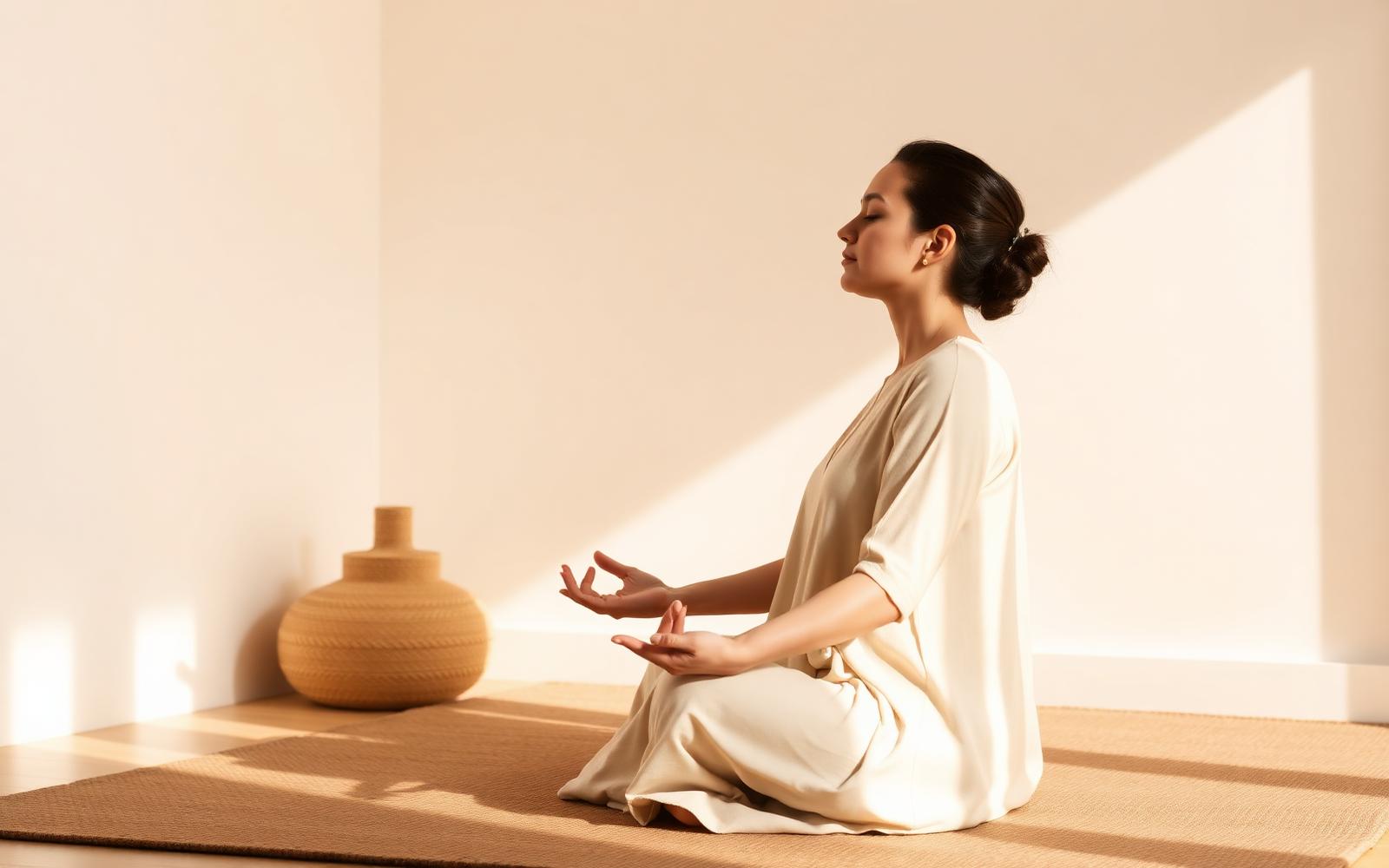
Most people who try meditation quit within a week, usually because they believe they are doing it wrong. They sit down, notice a hundred thoughts, and conclude they cannot meditate.
That experience is meditation. Noticing that your attention wandered and returning it is the entire exercise, repeated. Here is how to start in a way that survives past the first week.
What meditation actually is
Meditation is the deliberate training of attention. You choose something to focus on, usually the breath, and when the mind drifts, you bring it back without criticism. Over time this strengthens the ability to notice where your attention is, which is what changes how you respond to stress.
It is not about emptying the mind. A quiet mind is an occasional pleasant side effect, not the objective.
Three techniques to try
Try each for a week and keep whichever feels most sustainable.
- Breath focus: rest attention on the sensation of air at the nostrils. Return when it wanders.
- Body scan: move attention slowly from feet to head, noticing sensation without changing it.
- Noting: silently label what arises as 'thinking', 'hearing' or 'feeling', then let it pass.
How long and how often
Start with five minutes daily. Daily short practice builds the habit far more effectively than a twenty-minute session twice a week. Once five minutes feels easy for a fortnight, extend to ten.
What to do with a very busy mind
A busy mind is not a failure; it is simply what an untrained mind does. If thoughts feel overwhelming, count breaths to ten and start again, or use a guided recording. Anchoring attention in a physical sensation, such as the feet on the floor, is often easier than the breath on restless days.
Making it stick
Attach the practice to an existing routine: after brushing your teeth, before your first coffee, or immediately after closing your laptop. Keep the cushion or chair visible. Track it with a simple tick on a calendar, and forgive missed days without abandoning the habit.
Frequently asked questions
What is the best time of day to meditate?
Whichever time you will actually do it. Mornings work for many people because fewer things have intervened yet.
Do I need an app?
No, though guided sessions help many beginners. A timer works perfectly well.
How long before I notice benefits?
Many people notice small changes in reactivity and sleep within two to four weeks of daily practice.
Conclusion
Sit for five minutes tomorrow, expect a wandering mind, and return your attention each time it drifts. That repetition is the practice, and it is far more accessible than it looks.
This article is for general education only and is not medical advice. Speak with a qualified healthcare professional about your individual circumstances.
Related Articles
Stress Management Techniques That Actually Work
Evidence-based stress management techniques for women: fast physiological resets, weekly habits and boundaries that reduce ongoing pressure.
5 min readJuly 9, 2026
How to Sleep Better Every Night
Science-backed ways to fall asleep faster and sleep more deeply, including light, temperature, caffeine timing and what to do when you wake at 3am.
5 min readJuly 5, 2026

10 Healthy Morning Habits Every Woman Should Follow
Ten realistic morning habits that steady your energy, mood and focus, plus a simple 20-minute routine you can start tomorrow.
5 min readJuly 20, 2026